The district
Cannaregio: the working district around the jazz club
How Venice's northernmost sestiere grew, what lies in it besides the club and why many visitors find it the calmest corner of the city.
Reserve my evening ↗Quick answer
Cannaregio is the northernmost of Venice's six historic districts and, by Wikipedia's 2007 figure of 13,169 residents, the largest by population. It was drained and dug with parallel canals from the 11th century, grew mainly as working-class housing and manufacturing, and contains the Venetian Ghetto, founded in 1516. Beyond the busy stretch of the Grand Canal between the station and the Rialto Bridge, Wikipedia describes it as residential, with morning markets, shops and cafes. That is the setting of the jazz club.
Cannaregio in figures and dates
| What Wikipedia records | |
|---|---|
| Rank | Northernmost of the six sestieri; second largest by area and largest by population |
| Residents | 13,169 in 2007 |
| Beginnings | Drained, with parallel canals dug, from the 11th century |
| Ghetto | Instituted on 29 March 1516 and ended on 11 July 1797 |
| 19th century | Strada Nuova, a railway bridge and a road bridge to Mestre are built |
| Character | Residential beyond the Grand Canal stretch from the station to the Rialto |
Where it sits
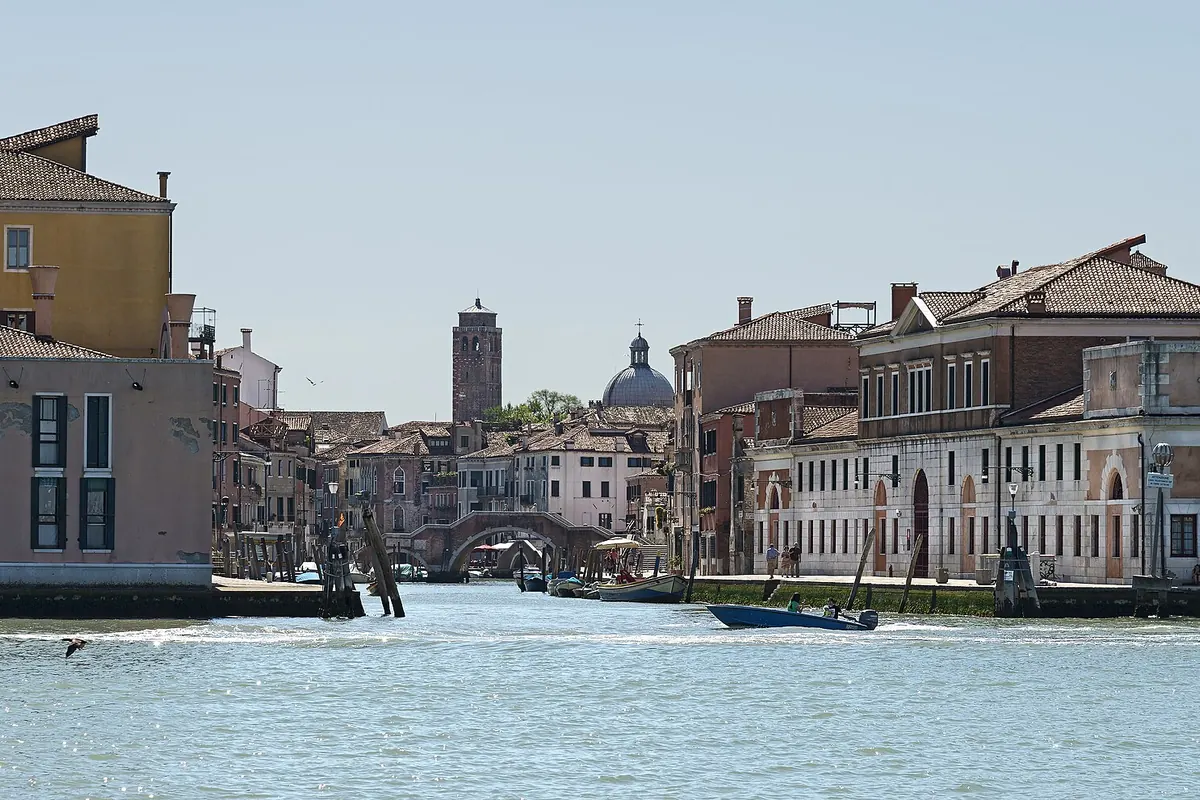
Venice is divided into six historic districts called sestieri, and Cannaregio is the one that faces the mainland. Wikipedia calls it the second largest by land area and the largest by population, which surprises many visitors who assume the crowded centre around St Mark's holds most of the city's residents. The Cannaregio Canal, which gives the district its name, was the main way into Venice until the railway came. Most travellers meet the district first at Santa Lucia station, then walk along the Grand Canal towards the Rialto, but the interior behind that route looks quite different.
How it was built
According to Wikipedia, development began in the 11th century, when the area was drained and parallel canals were dredged. Palaces were built facing the Grand Canal, but the district grew mainly as working-class housing and manufacturing. That history explains its feel today: plainer facades, laundry lines, corner bars and streets used by people going to work, not only by visitors. The 19th century added Strada Nuova through the district, along with a railway bridge and the Ponte della Libertà, the road bridge to Mestre.
The Ghetto
Cannaregio holds the Venetian Ghetto, which Wikipedia says was instituted on 29 March 1516 by decree of Doge Leonardo Loredan and the Senate. Gates opened in the morning at the sound of the marangona bell and were locked in the evening, with a curfew from sunset to dawn, and the restrictions lasted more than 270 years until Napoleon's forces ended the ghetto's separation on 11 July 1797. The entry notes that the English word ghetto derives from this Venetian quarter, though the origin of the name itself is disputed. Five synagogues stand in the ghetto, two still in use for worship and three open for guided tours.
Churches and sights
Wikipedia's list of sights in the district includes Santa Lucia station, the Ponte dei Tre Archi, Ca' d'Oro, Ca' Vendramin Calergi and the Sacca della Misericordia, and among churches Santa Maria dei Miracoli, the Chiesa degli Scalzi, Sant'Alvise, San Giovanni Crisostomo, San Geremia, San Canciano and the Abbazia della Misericordia. It also names Madonna dell'Orto, Palazzo Labia and the Ponte delle Guglie. The page gives no detail on these, so this guide offers none, and anyone planning a walk should check each one separately.
Why a concert belongs here
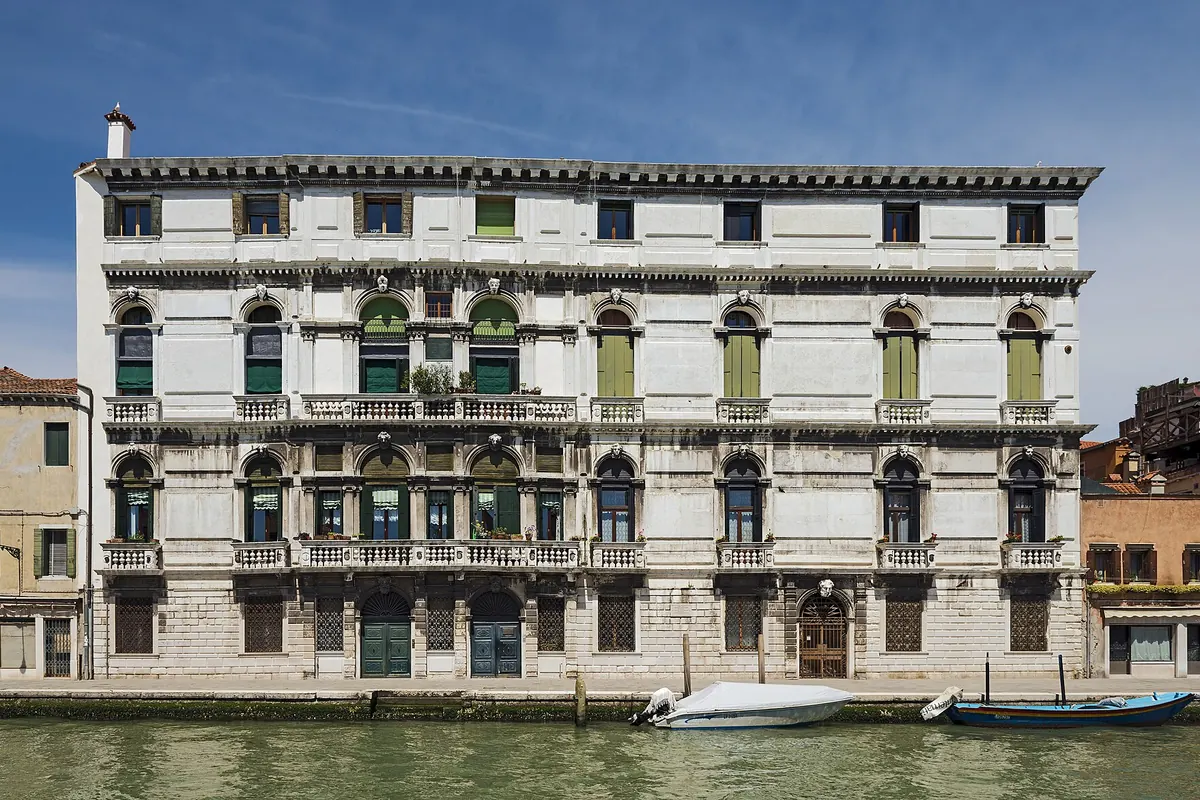
A jazz club on the Cannaregio Canal sits comfortably in a district of working canals and local bars. The Cannaregio Canal entry lists six palaces along it, Palazzo Surian Bellotto among them, so a concert in a palace on this waterway is in keeping with the street. Beyond the club, the district's quiet is part of the appeal, since Wikipedia says that outside the heavily visited Grand Canal stretch it is residential, with morning markets, shops and cafes. For an evening out, it is a gentler choice than the area around St Mark's.
Making an evening of it
Reach the district by water bus or on foot from the station, and allow daylight to find your way. Cicchetti and a small glass of wine at a nearby bacaro before the concert would fit the neighbourhood's habits, though the booking does not include them unless you pick the option that does. Afterwards, walk back along the canal when the crowds have thinned. The booking page lists no transport, so decide your route in advance.
Frequently asked questions
Is Cannaregio far from the station?
The district includes Santa Lucia railway station, according to Wikipedia, and the Cannaregio Canal runs through it. The page gives no walking time to the club, so check a map.
Is it a quiet area?
Wikipedia describes the district beyond the Grand Canal stretch from the station to the Rialto as residential, with morning markets, shops and cafes.
What is the Ghetto?
A walled quarter in Cannaregio, instituted in 1516, where Venice's Jews were required to live until 1797.
Is the club in the Ghetto?
The booking page places it on the Cannaregio Canal. It does not say it is in the Ghetto, which is a separate part of the district.
Sources