The music
Jazz in Italy: how an American music found a home in a Venetian palace
From New Orleans to the Italian stage: what encyclopaedias say about jazz, swing and improvisation and why a Venetian club mixes in world music.
Reserve my evening ↗Quick answer
Wikipedia traces jazz to New Orleans and its African-American communities, as the nineteenth century gave way to the twentieth, and names improvisation as a defining element. Italy heard American music early: a cakewalk troupe played the Eden Theater in Milan in 1904, the first real Italian jazz orchestras formed in the 1930s, and Louis Armstrong toured Italy in 1935. After the Second World War, clubs and radio and television house bands helped jazz grow rapidly. A Venetian club that mixes jazz with world music, as the booking page describes, is following a path the music has taken everywhere.
Jazz and Italy in brief
| What Wikipedia records | |
|---|---|
| Origins | African-American communities of New Orleans, late 19th and early 20th centuries |
| 1904 | A group of cakewalk performers plays the Eden Theater in Milan |
| 1930s | The first real Italian jazz orchestras form |
| 1935 | Louis Armstrong tours Italy with great success |
| After 1945 | Jazz grows rapidly, with clubs and house bands at radio and television studios |
| Festivals | Umbria Jazz in Perugia is described as the largest in Italy |
Where jazz comes from
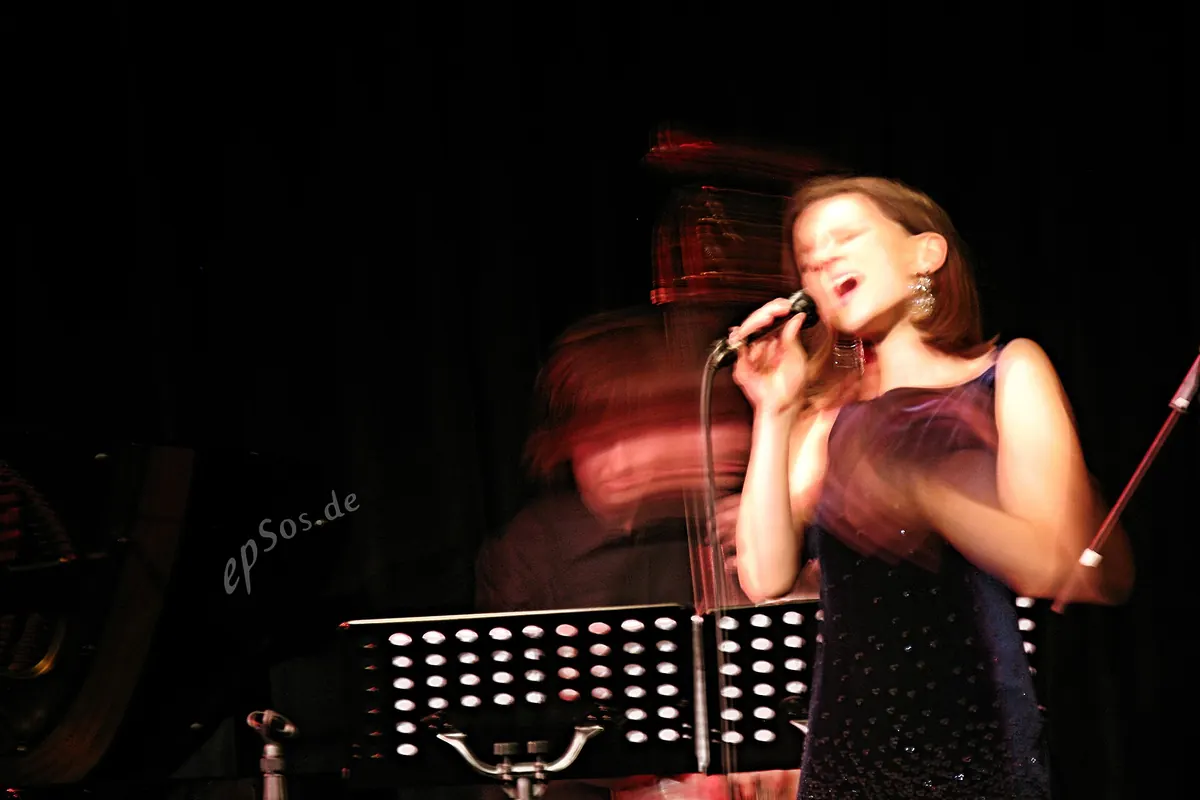
Wikipedia locates jazz's beginnings in New Orleans, among African-American communities, around the turn of the twentieth century. It names swing and blue notes as defining features and calls swing the most important and enduring African-based rhythmic technique in the music. Improvisation, it says, is another core element: performers interpret a tune in individual ways and never play the same composition twice. That is why jazz suits a nightly programme. The same song heard on two nights is not the same performance, and a club can offer variety without changing the repertoire.
Early contact with Italy
The article on jazz in Italy records that Italians heard American music early. A group of cakewalk creators performed at the Eden Theater in Milan in 1904, and the first real Italian jazz orchestras formed in the 1930s, among them Arturo Agazzi's Syncopated Orchestra and Carlo Andreis's Quartetto Andreis. The music stayed popular despite the Fascist regime's anti-American cultural policies, and Louis Armstrong toured Italy in 1935 with great success. The detail is useful context for a club evening, since it shows the music is no recent import.
The post-war boom
After the Second World War, Wikipedia says, jazz grew rapidly in Italy, with clubs and with jazz-based house bands at radio and television studios. It names Gorni Kramer, Giorgio Gaslini, Lelio Luttazzi and Franco Cerri among the most gifted jazz musicians of the 1940s to 1960s, and Nicola Arigliano as a notable singer of the same era. Enrico Rava is listed among notable contemporary musicians. None of these is promised on the booking page, which names no artist, but they show the depth of the tradition behind any Italian jazz stage.
Festivals and schools
The same article calls the Umbria Jazz Festival, held in Perugia generally in July, the best known in Italy and the largest of its kind. Siena Jazz runs a summer festival and is described as the country's first and still most prestigious jazz school, and dozens of jazz festivals take place in Italy every year. A small club in Venice sits at the other end of that scale: a nightly venue where musicians can play to a seated room, rather than a festival crowd.
Jazz meets world music
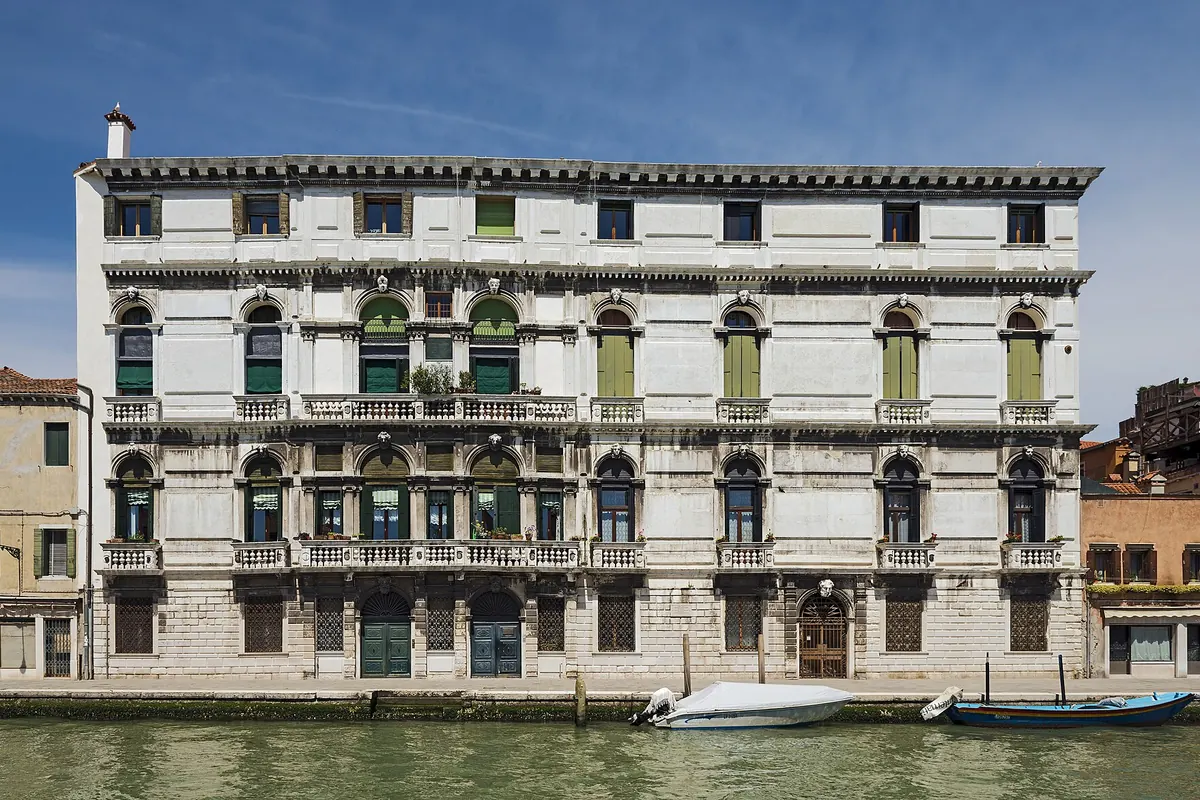
The jazz article says that as the music spread worldwide it drew on national, regional and local musical cultures, which gave rise to different styles. The booking page describes jazz and world music performed by Italian, international and Venetian musicians, which suggests an evening in which a bandstand might draw on more than one tradition. The page does not describe individual sets, so this is the general principle and not a forecast. It does mean that guests who expect standards only may hear something more varied.
What to listen for
If you are new to jazz, listen for the pulse first. The swing Wikipedia describes is a steady, springing rhythm under the solos. Then listen for who takes a turn: in an improvised piece, one player steps forward while the others support. None of this needs study. A seated club is the most forgiving place to hear it, because the room is small, the players are close and applause tells you when a solo has landed.
Frequently asked questions
Is it all jazz standards?
The page says jazz and world music with a different concert each night, and does not describe the repertoire.
Is Louis Armstrong linked to Italy?
Wikipedia says he toured Italy in 1935 with great success.
Is improvisation really unplanned?
Wikipedia says performers interpret a tune in individual ways and never play the same composition twice, which is the sense in which it is improvised.
Will I hear a famous musician?
The page names no artist and says the artist depends on the date.
Sources